
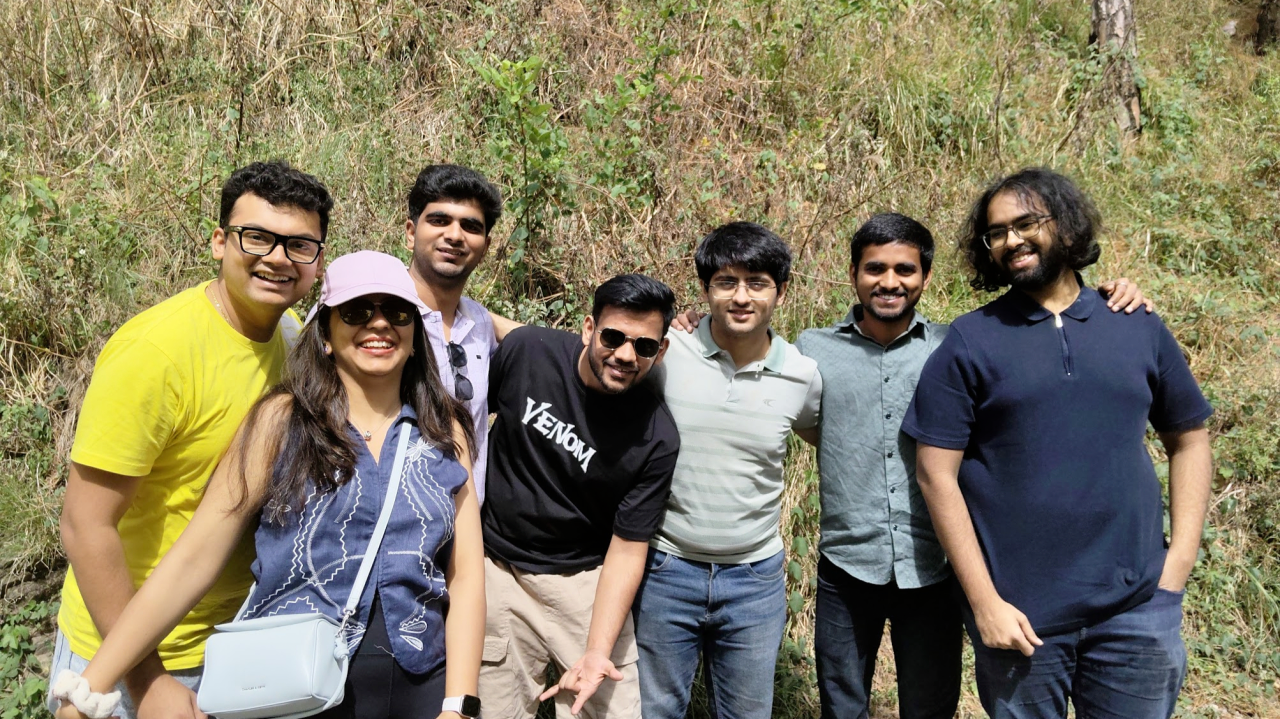
It’s been a full year since I quit my well-paying job to venture out on my own.
I co-founded Vaatun — a company building software for a market most of tech ignores: Indian insurance distributors.
A year in, one takeaway from my Microsoft days has stayed with me more than any other — Satya Nadella often reminded us that we spend more time at work than we do with our families or anywhere else, so we’d better make the most of it. Working with talented, driven people is a privilege. And the ability to choose who I work with is the single greatest privilege — and the single greatest leverage — I have as a co-founder. I don’t intend to waste it.
Which brings me to why I’m writing this: we’re hiring engineers across levels — from entry-level interns to senior engineers.
Increasingly, we build interfaces for machines, not just humans. And underneath it all sits our core bet: 𝘁𝗵𝗲 𝗯𝗲𝘀𝘁 𝗕𝟮𝗕 𝘀𝗼𝗳𝘁𝘄𝗮𝗿𝗲 𝗶𝘀 𝘁𝗵𝗲 𝗼𝗻𝗲 𝗽𝗿𝗼𝗳𝗲𝘀𝘀𝗶𝗼𝗻𝗮𝗹𝘀 𝗵𝗮𝘃𝗲 𝘁𝗼 𝘀𝗽𝗲𝗻𝗱 𝘁𝗵𝗲 𝗹𝗲𝗮𝘀𝘁 𝘁𝗶𝗺𝗲 𝗶𝗻 𝘁𝗼 𝗴𝗲𝘁 𝘁𝗵𝗲𝗶𝗿 𝘄𝗼𝗿𝗸 𝗱𝗼𝗻𝗲. Time-in-app is a cost to our users, not a metric to celebrate — a deliberate departure from the engagement and DAU numbers most of software worships.
So what do we actually screen for?
– 𝗗𝗼𝗺𝗮𝗶𝗻 𝗰𝘂𝗿𝗶𝗼𝘀𝗶𝘁𝘆. Insurance is unfashionable. Our moat is domain depth, and we think about insurance at every step — as CTO, even the TV shows I watch and the video games I play have somehow become insurance-centric 🙂 If broker workflows and reconciliation bore you, the cutting edge tech or agentic infrastructure won’t save the marriage. We take this seriously enough that every hire — regardless of role — is expected to clear a few insurance certifications after a reasonable period at the company (most people pass within the first 12 months, and tend to be super proud about it). The interview tell: do you ask about our stack, or about our customers and their problems?
– 𝗖𝗼𝘀𝘁-𝗽𝗲𝗿-𝗱𝗲𝗰𝗶𝘀𝗶𝗼𝗻 𝗶𝗻𝘀𝘁𝗶𝗻𝗰𝘁. Building lean changes the engineering job. Every engineer here internalizes token economics and infra tradeoffs, because there is no “someone else’s budget.”
– 𝗖𝗼𝗺𝗳𝗼𝗿𝘁 𝘄𝗶𝘁𝗵 𝗿𝗲𝘃𝗲𝗿𝘀𝗶𝗯𝗹𝗲 𝗯𝗲𝘁𝘀. Some of what we build gets killed. We want people who can build well anyway, without over-engineering or getting attached.
When AI absorbs implementation, 𝘁𝗮𝘀𝘁𝗲 𝗯𝗲𝗰𝗼𝗺𝗲𝘀 𝘁𝗵𝗲 𝘀𝗰𝗮𝗿𝗰𝗲𝘀𝘁 𝗶𝗻𝗽𝘂𝘁. A small team with excellent judgment plus serious agentic leverage beats a larger conventional team. Which means we can afford to be slower and pickier per hire — and we intend to be.
We’ve even redesigned the hiring loop around all of this. Less LeetCode. More “decompose this messy real-world workflow into specifiable tasks.” And at the heart of it, an assignment that works both ways: we get to gauge your technical capability, and you get to gauge whether insurance as a domain actually appeals to you.
One pattern we didn’t expect: people who grew up around insurance or wealth management — a parent in the industry, dinner-table conversations about premiums and commissions — relate to these problems almost instantly. If that’s you, you already understand why this matters. I’d especially love to hear from you.
If this sounds like the kind of place you want to build at — working on AI-native software for a market everyone else ignores — my DMs are open. Whether you’re an intern starting out or a senior engineer looking for your next challenge, I’d especially love to hear from you.
Originally published on LinkedIn in July 2026.