
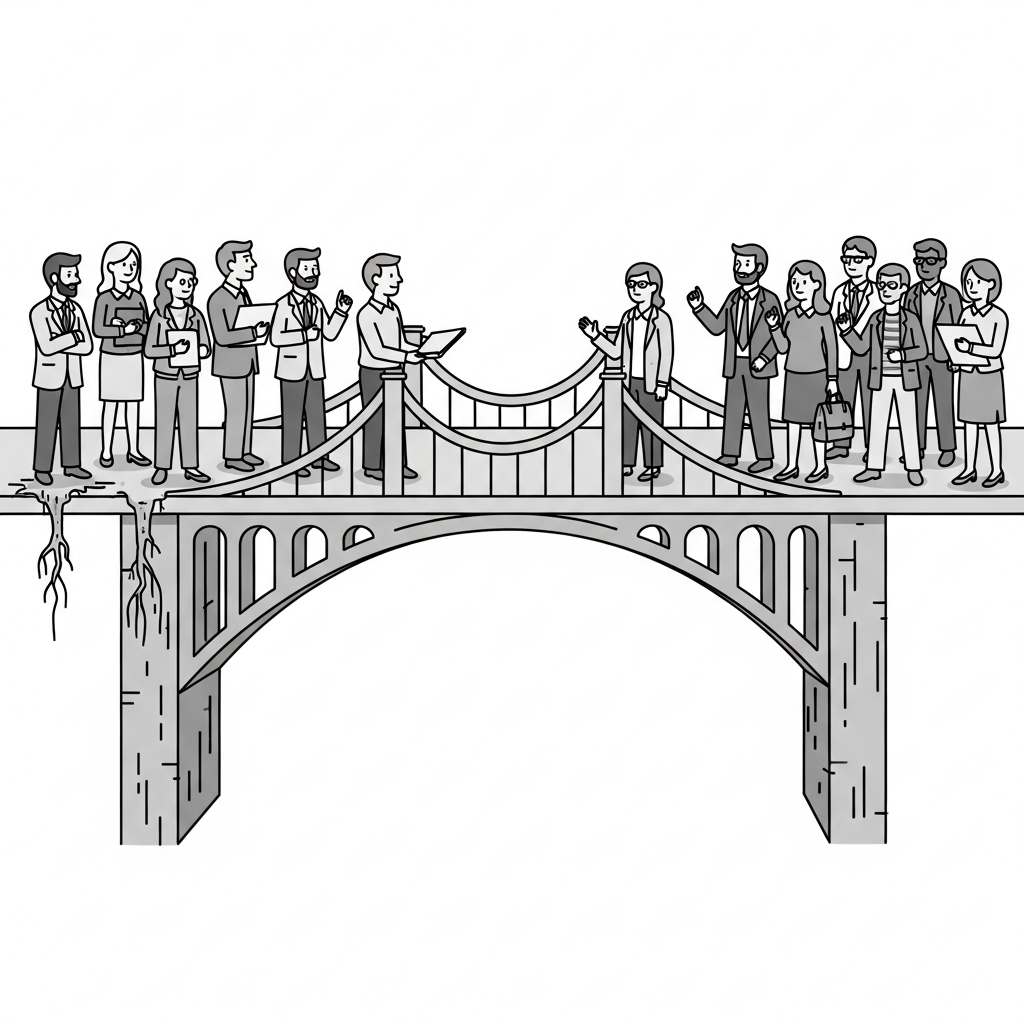
Venture capitalists are often restricted from fully exiting at an Initial Public Offering due to lock-in periods designed to align their incentives with public investors. This ensures VCs remain accountable and signals long-term confidence in the company, protecting public markets, employees, and founders.
If you’ve ever looked at an IPO and wondered:
“If venture capitalists are exiting, why don’t they exit fully?”
You’re asking the right question.
The short answer: VCs are often not allowed to fully dilute at IPO — by design.
The longer answer reveals a lot about how public markets protect themselves, and why founders should actually welcome this constraint.
Let’s unpack it.
IPOs Are Not Exits — They’re Transitions
For retail investors, an IPO feels like a finish line.
For VCs, it’s closer to a handover ceremony.
Public markets are buying into a company for the next 5–10 years, not just the listing-day pop. If early investors could fully exit on Day 1, it would create a dangerous incentive:
“Sell the story, not the future.”
Markets hate that.
The Core Reason: Incentive Alignment
The single biggest reason VCs can’t fully exit at IPO is alignment.
Public investors want assurance that:
- early backers still believe in the business
- insiders will suffer if things go wrong
- upside and downside are shared
This is why lock-in periods exist.
A retained stake signals:
“We’re still accountable.”
A full exit signals:
“You’re holding the bag now.”
Guess which one markets punish?
What Happens If VCs Could Fully Exit?
Let’s imagine a world with no restrictions.
- VCs sell 100% at IPO
- Founders retain minimal skin
- Stock underperforms 6 months later
The result:
- trust collapses
- future IPOs get discounted
- public capital retreats from growth companies
This exact pattern happened in multiple markets historically — which is why modern IPO structures evolved to prevent it.
Lock-Ins Are Market Protection, Not VC Protection
A common misconception is that lock-ins protect VCs.
In reality, they protect:
- public shareholders
- employees with ESOPs
- founders themselves
They enforce delayed accountability.
If performance is real, VCs exit later at better prices.
If it isn’t, they absorb losses along with everyone else.
That’s the contract.
Why Partial Exits Are Allowed (But Full Ones Aren’t)
You’ll often see VCs sell some shares at IPO.
This serves three purposes:
- Liquidity – returning capital to LPs
- Risk reduction – no single asset dominates the fund
- Price discovery – market sets a baseline valuation
But crucially:
- they must still hold enough to feel pain
- exits must be staggered
- selling is visible and regulated
This keeps behaviour disciplined.
The Signalling Effect Matters More Than the Cash
Markets read signals ruthlessly.
| VC behaviour at IPO | Market interpretation |
|---|---|
| Partial exit | “Confident but prudent” |
| No exit | “Long-term conviction” |
| Full exit | “We’re done here” |
That last signal can permanently damage perception — even if the business is fine.
Which is why even unrestricted investors often choose not to fully sell.
Why This Is Actually Founder-Friendly
Founders sometimes fear VC sell-downs. But the restriction system actually helps founders by:
- preventing valuation cliffs
- avoiding “dumped on retail” narratives
- keeping experienced stakeholders engaged post-IPO
A clean IPO is about continuity, not cashing out.
The Mental Model to Remember
Think of IPO rules like this:
“You can change the audience, but you can’t change the incentives overnight.”
VCs spent years shaping the company.
Public investors want proof they’ll stand by it a little longer.
Final Takeaway
VCs aren’t blocked from full dilution because regulators distrust them.
They’re restricted because markets only work when belief has consequences.
An IPO isn’t:
- the end of responsibility
- the moment to disappear
It’s the point where private conviction meets public accountability.
And that’s exactly how it should be.